
Klick hier für die deutsche Version des Artikels.
How can club creators pass on their knowledge to younger generations? That’s the question that drove Tresor founder Dimitri Hegemann and the Tresor Foundation to launch the Academy of Subcultural Understanding—better known as Tresor Academy.
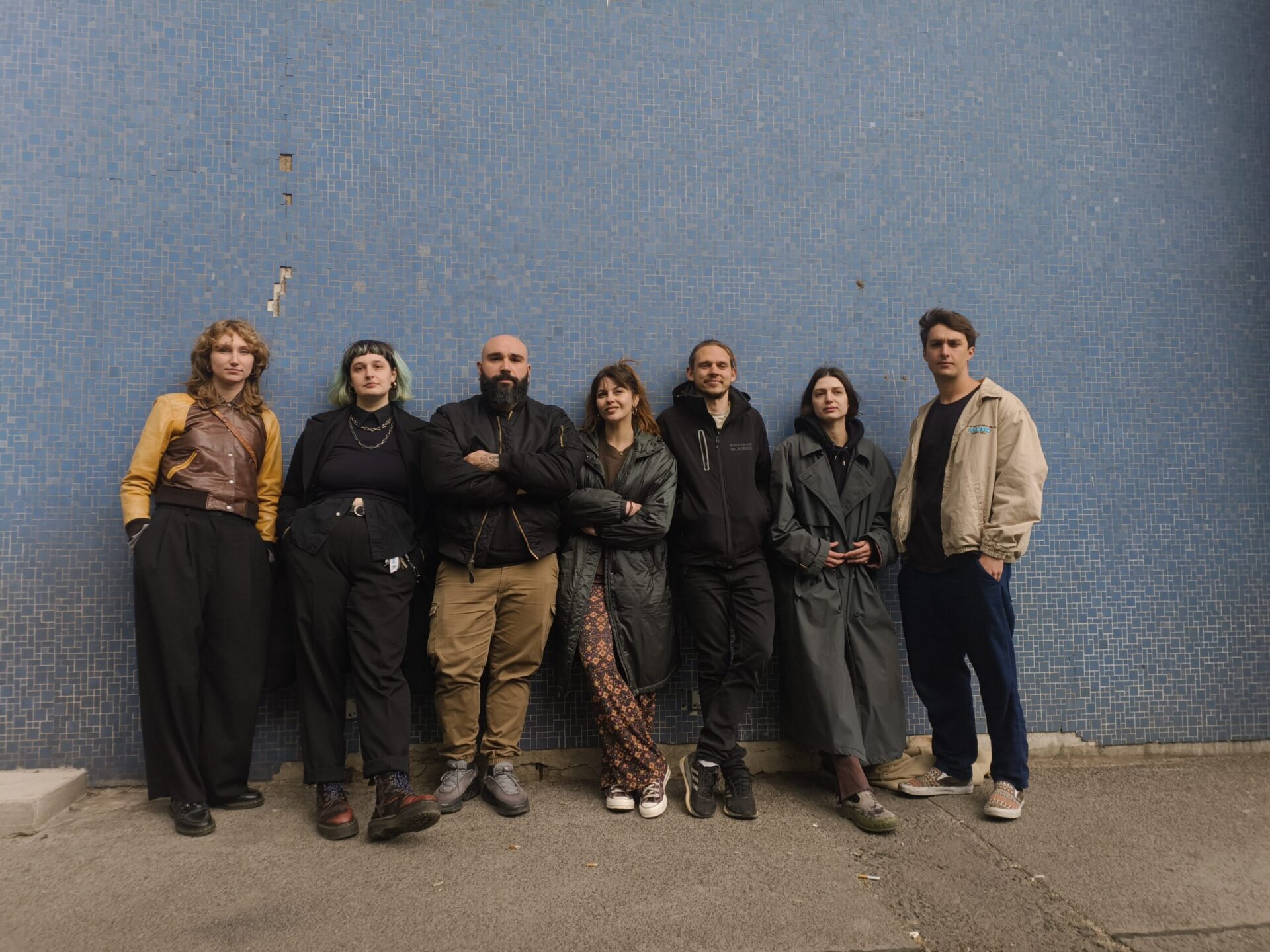
In 2024, the very first group of young nightlife activists completed the curriculum, a journey that took them deep into Berlin’s club scene. This year’s program ran from January to May 2025 and, for the first time, opened its doors to young people from across the EU—those with a passion for creating new spaces and reimagining nightlife culture.
We caught up with the Academy’s second generation to find out who they are, and how they experienced the program inside the walls of Kraftwerk.
Alicja Aksamit

Please introduce yourself.
I’m Alicja from Wrocław, Poland. I’m a DJ, producer, and educator. I run the collective Velvet Vortex. I love music and the people I meet through it.
How did you get in contact with club culture, and why do you want to pursue a career in the industry?
I joined the club culture out of a love for music, dancing, and the desire to be with people. I quickly realized that the club atmosphere gives me the kind of freedom of expression I need.
What sparked your interest in the Tresor Academy? Why did you apply?
For as long as I can remember, Tresor has been an inspiring benchmark of quality for me. Having previously performed at Tresor, I always felt something special there, something hard to describe. I applied because I wanted to learn from the best and believed it would be a transformative experience for me. I was right.
How did you experience travelling to Berlin, entering the Kraftwerk and meeting teacher Martin Fuller and the whole class?
Traveling to Berlin and spending time at Kraftwerk every day was an extraordinary, exciting experience. Martin is a kind, supportive person on this journey. I immediately trusted him and felt safe. The right person in the right place at the right time.
It was incredibly inspiring—and honestly, a bit eye-opening. All of us came from different backgrounds and scenes, which brought so many new perspectives. The whole Tresor team was super welcoming, open to questions, and really generous in sharing their knowledge and resources. It felt like a very safe and encouraging space.
Please describe the highlights and low points, which are also part of it for obvious reasons.
I appreciate the entire program, but especially the classes on mental health. However, I’d like the program to be longer, perhaps even several years. We’ve gained a tremendous amount of knowledge, but I believe there’s still much to learn.
What is your takeaway? How did being part of Tresor Academy change your perspective on nightlife, on yourself and your skills?
Being part of the Tresor Academy has given me support, hope, and motivation to continue working on this cultural path, which poses many challenges. I feel like we’re now a group I can always turn to for help, and that support is reciprocated.
Gabriele Murano
Please introduce yourself.
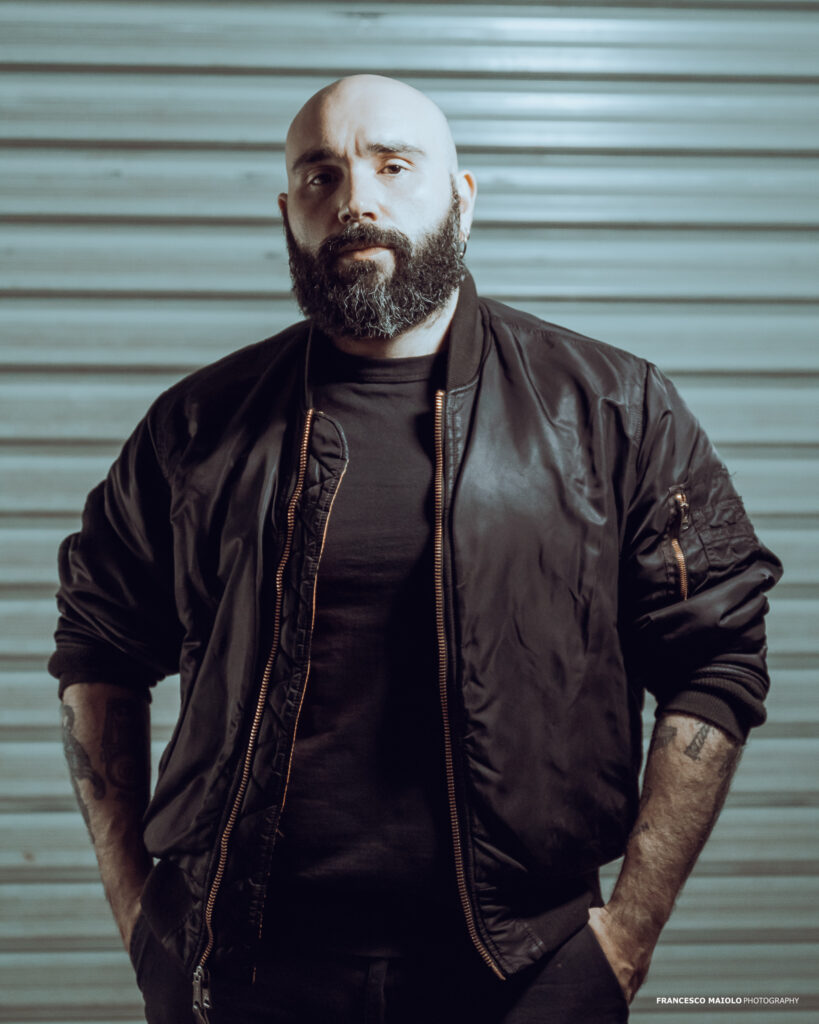
I’m Gabriele, a DJ and party promoter from Turin, Italy and with a friend of mine we organise a queer party called Glimmer in my city with the goal of building community and providing a safer space for my queer peers.
How did you get in contact with club culture, and why do you want to pursue a career in the industry?
I was lucky to get into a club at a young age, and dancing has always been a passion of mine. Somehow I was also always surrounded by party organisers, DJs, promoters and overall people who would work in the industry. In the underground scene, I managed to experience dancefloors in all the cities in Europe where I lived, and there were always a few common grounds: everyone was equal, there was no judgment or discrimination, and everyone felt free.
What sparked your interest in the Tresor Academy? Why did you apply?
I have been a huge fan of Tresor since I stumbled into the techno and underground world for its values and because it has a sense of community at its core. I saw from their social media that they were arranging something that you cannot find in any school or university course; the chance to learn first-hand from the best in the industry was an occasion I could not miss.
How did you experience travelling to Berlin, entering the Kraftwerk and meeting Martin Fuller and the whole class?
I love Berlin and its vibe, I used to live here, and I always come back a few times per year; I know Kraftwerk and most of Tresor’s rooms and dancefloors well, so it had a familiar vibe. Martin has been super supportive of our growth during the academy since day one, and he has always made sure we would be taken care of. Meeting the class was amazing, everyone had a different background, stories to tell and life experiences, but it definitely felt like we belonged to the same tribe. This allowed us to share ideas and struggles, see points of view completely different from our own and to build bridges across different communities.
Please describe the highlights and low points, which are also part of it for obvious reasons.
To be honest, the entire experience has been a highlight. I am an avid seeker of knowledge, so all the information that all the speakers had to give was pure gold. On my all-star list: Concept planning, night management, sound, run a collective and as a cherry on top, the words that Dimitri gifted us at the end of the academy. All the speakers were super generous with their time and knowledge, and I will be forever grateful for that. The only low point I can talk about is that two weeks is not enough time to experience this type of course, there is so much to learn!
What is your takeaway? How did being part of Tresor Academy change your perspective on nightlife, on yourself and your skills?
My key takeaways are that the underground scene is still well and alive, and there is still so much to do for the unrepresented communities in the club industry. The academy broadened my knowledge and experience of nightlife, allowing me to consider everything that goes into running something complex like a club. I left enriched, with new friends, and with so many ideas to implement in my projects.
Karel Kask
Please introduce yourself.
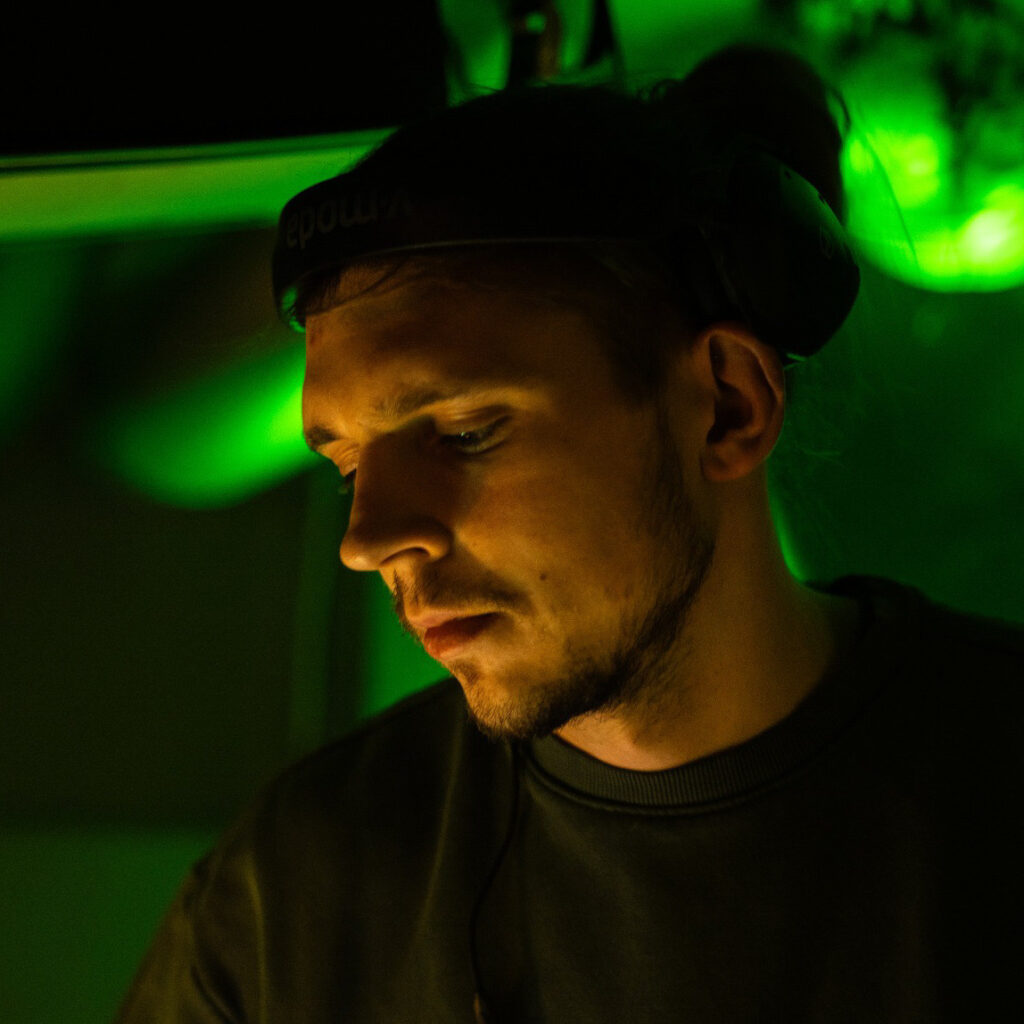
I’m Karel from Pärnu, Estonia. I used to own a club, and now I promote two event series: Sunday Sessions, a beach party, and SÜVIK, which focuses on house and techno. I also work as a DJ and assist with marketing for a local venue called Tempel.
How did you get in contact with club culture, and why do you want to pursue a career in the industry?
My spark ignited when I lived abroad, and when I returned to my hometown, there wasn’t much happening. Together with a friend, we started hosting event series in Pärnu, which eventually led to founding a club. For me, being part of the nightlife industry means building community and creating opportunities for people to come together and celebrate.
What sparked your interest in the Tresor Academy? Why did you apply?
I visited the unda festival during the European Capital of Culture 2024 program, where the Tresor Foundation was represented. Thanks to that, I discovered the Academy. At the time, I was running my own subcultural club, Tunnel, and I saw it as a great opportunity to gain knowledge on how to manage it even better.
How did you experience travelling to Berlin, entering the Kraftwerk and meeting Martin Fuller and the whole class?
My experience was fantastic, and I received a very warm welcome. The program itself was truly outstanding! The Tresor Foundation has made great strides in sharing knowledge!
Please describe the highlights and low points, which are also part of it for obvious reasons.
Firstly, it was astonishing to see how a club like Tresor operates and to understand the key factors that keep it running. It’s hard to name any low points because the entire experience was truly eye-opening. However, thanks to this, I’ve realized that it has become increasingly difficult to have fun at parties these days, as I now notice weaknesses in various venues.
What is your takeaway? How did being part of Tresor Academy change your perspective on nightlife, on yourself and your skills?
My biggest takeaway is that the operational structure and personnel management within a club are crucial. These elements are key to making a club successful. I also realized that the venue I was running back then wasn’t very scalable, and its growth potential was limited. One thing is for sure: I see myself continuing to be part of this ecosystem in the future. We’ll see what that future brings.
Larisa Mordacheva

Please introduce yourself.
My name is Larisa, I’m from the western part of Ukraine, from a city called Lviv. Right now, I’m running my own party series called 7 Fridays, also I am co-organizing a festival in my hometown.
How did you get in contact with club culture, and why do you want to pursue a career in the industry?
Many years ago, I was working as a waitress at a local club/concert hall while also starting to go out to raves. I really wanted to get involved in organizing events, so I asked my manager if I could assist our new art director part-time. He said no, mainly because there was no budget. That’s when I decided to start my own underground raves. They actually turned out pretty decent, especially considering I had no prior experience. From that moment, I knew this was something I wanted to do every day. Even when I took a break from the scene due to personal reasons, I never stopped thinking about line-ups, venues, light set-ups, et cetera.
What sparked your interest in the Tresor Academy? Why did you apply?
When I started learning about the history of techno, I saw how big of a role Tresor played in it all. It was also the first club I visited outside of Ukraine, so it holds a lot of sentimental value for me. The idea of learning directly from people at Tresor—and avoiding a lot of mistakes along the way—felt like a dream. Plus, being able to connect with people from across the scene was just mind-blowing.
How did you experience travelling to Berlin, entering the Kraftwerk and meeting Martin Fuller and the whole class?
It was incredibly inspiring and, honestly, a bit eye-opening. All of us came from different backgrounds and scenes, which brought so many new perspectives. The whole Tresor team was super welcoming, open to questions, and really generous in sharing their knowledge and resources. It felt like a very safe and encouraging space.
Please describe the highlights and low points, which are also part of it for obvious reasons.
I really think the team did everything they could to make it great. This year was different from previous ones. Instead of spending a few months at Tresor, we had just two weeks in Berlin. At first, I thought it was a downgrade, but looking back, it actually made sense. We had to keep working our usual jobs and had mentors from our own regions. Still, I think having just a bit more time at the Academy could’ve helped us go deeper into the more complex topics.
What is your takeaway? How did being part of Tresor Academy change your perspective on nightlife, on yourself and your skills?
The Academy really opened my eyes to how many different roles and paths exist in nightlife. Also, the Academy gave me more confidence and a better understanding of how to collaborate with different people, even in more formal spaces like working with politicians. It helped me realize my own value, too.
A big part, I think, was also played by my mentor, Tanya Voytko. She shared so much insight about programming and booking, and gave me a clearer picture of what it means to work with bigger artists and agencies. I’m really grateful for her support.
Lal Atay

Please introduce yourself.
I’m Lal, I like colors in life as well as in music. I’m a booker, promoter, and event manager based in Istanbul. Now I run Planet Joje, where I curate events and music, and consult brands and venues on communication strategies.
How did you get in contact with club culture, and why do you want to pursue a career in the industry?
I first connected with club culture when I started travelling abroad in my early twenties for festivals and club nights. Experiencing the musical and personal freedom on the dancefloor made me want to bring that same feeling back to my own country.
What sparked your interest in the Tresor Academy? Why did you apply?
Tresor was one of the first clubs that shaped my perception of freedom in nightlife and deeply influenced my musical taste. Learning from the people behind such an iconic space felt like a once-in-a-lifetime opportunity, and it truly was!
How did you experience travelling to Berlin, entering the Kraftwerk and meeting Martin Fuller and the whole class?
I often visit Berlin, but this time was something else. Walking into Kraftwerk and seeing Tresor with the lights on felt surreal, like stepping into electronic music history. Meeting the whole Academy and Tresor team, and such a diverse, passionate class, was grounding and inspiring. I’m truly grateful to everyone who helped shape this valuable experience.
Please describe the highlights and low points.
A major highlight were our deep group conversations, sharing visions for the future of nightlife, and connecting with people from across the industry. The low point was realizing how much more support and infrastructure is needed back home to create sustainable scenes like this.
What is your takeaway? How did it change your perspective?
It showed me the importance of structure, documentation, and long-term vision. Also, it reminded me that the people you work with truly shape the outcome.
Lieve Goedhart
Please introduce yourself.
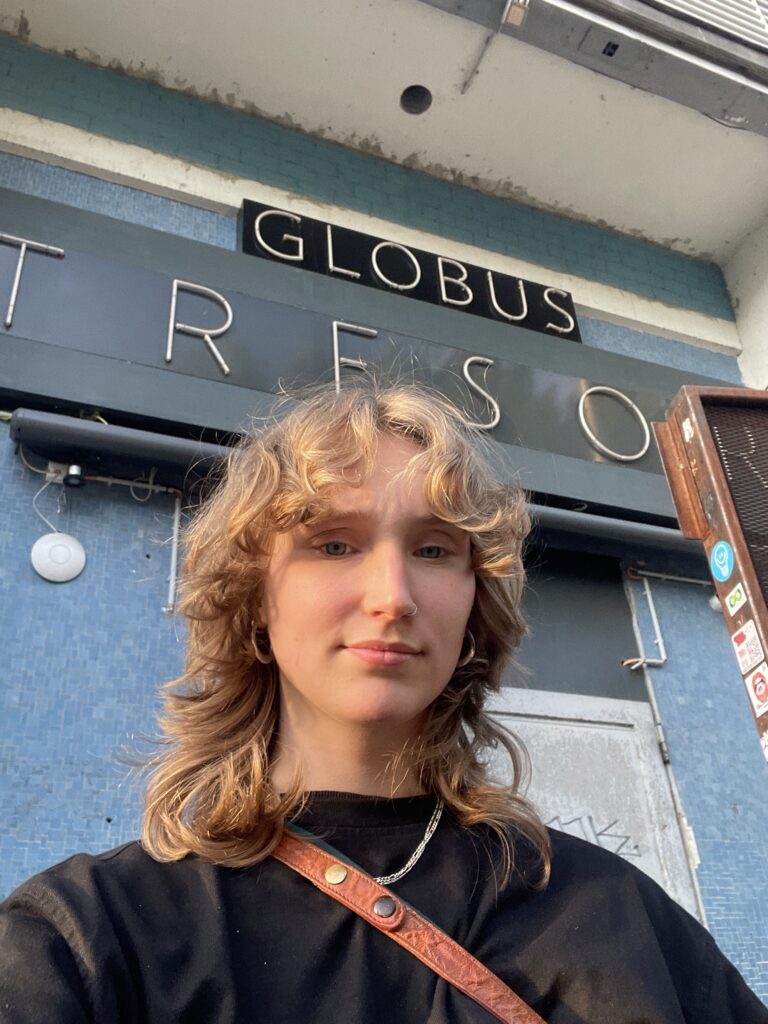
I’m Lieve. In the past I’ve programmed, among other things, Melkweg and Kanaal40. From September on, I’ll be joining the booking team at Dekmantel.
How did you get in contact with club culture, and why do you want to pursue a career in the industry?
I believe it is essential to provide spaces where people can be themselves and find a sense of community, especially in times of polarization. When I was younger, I discovered this culture, community, its artists, and music at Garage Noord. I was immediately hooked and wanted to contribute because this culture is fragile and often threatened by rising costs and the displacement of venues further away from city centres.
What sparked your interest in the Tresor Academy? Why did you apply?
I first came across it on Resident Advisor and was eager to learn more about the culture I love. What better place to do that than at such a world-renowned institute like the Tresor Academy?
How did you experience travelling to Berlin, entering the Kraftwerk and meeting Martin Fuller and the whole class?
I was extremely impressed by Kraftwerk. I loved the group—we’re all from different countries within the EU and come from various subcultures. I had so much fun learning about everyone’s scenes and hearing about their big plans to help them flourish.
Please describe the highlights and low points, which are also part of it for obvious reasons.
One of the definite highlights was getting to explore the city and its vibrant nightlife. It was a struggle to manage such long days while also keeping up with ongoing emails and work, but I tried my best to give the academy my full attention.
What is your takeaway? How did being part of Tresor Academy change your perspective on nightlife, on yourself and your skills?
My network has expanded significantly, and I now have contacts in almost every EU country. I’m extremely inspired by the young, creative energy that all the participants brought to the table. I’m grateful for all the guidance Martin and the Tresor team provided us.
Louis Ferreira

Please introduce yourself.
My name is Louis, I’m 27 years old, and I am Belgian-Portuguese. I would describe myself as a music enthusiast who began by attending raves and later started organizing them. My current goal is to open my own club in Faro, Portugal.
How did you get in contact with club culture, and why do you want to pursue a career in the industry?
After travelling around Europe, I was amazed by the scenes in places like London and Amsterdam. This kind of vibrant culture didn’t really exist in my hometown. That’s why I want to open my own club—to give people the chance to experience something different, exciting, and meaningful.
What sparked your interest in the Tresor Academy? Why did you apply?
I’ve known about Tresor for years, but I had never been to Berlin. The club is an institution deeply rooted in techno culture. What brought me to the Tresor Academy was an article in DJ Mag. I felt like the stars had aligned; it was exactly what I needed.
How did you experience travelling to Berlin, entering the Kraftwerk and meeting Martin Fuller and the whole class?
What an adventure. It was my first time in Berlin, and I think that there was no better way of being introduced to the city. I have a lot of admiration to what Martin [Fuller, sociologist], Dimitri [Hegemann, founder of Tresor], Diana [Alagić, Tresor club manager] and the whole team are doing. When you enter Kraftwerk you realize how monumental the place is. Not easy to manage, nor to create value out of it.
Please describe the highlights and low points, which are also part of it for obvious reasons.
For me, the highlight would be the people I’ve met along this journey. From the speakers at the academy, to my classmates, and all the people in the industry I had the chance to interact with. My lowest point was probably losing my bag at the airport when I arrived in Berlin, and then losing my phone right before leaving.
What is your takeaway? How did being part of Tresor Academy change your perspective on nightlife, on yourself and your skills?
The academy taught me, among other things, that if you want to succeed in this industry you need to remain genuine to your idea and have strong values. Do not conform to what you might think people want, or what is in fashion at the moment. Those things come and go. I have now started seeing nightlife as a kind of like peaceful celebration of life, or at least it should be, and I want to facilitate that.
Maggie Zaios
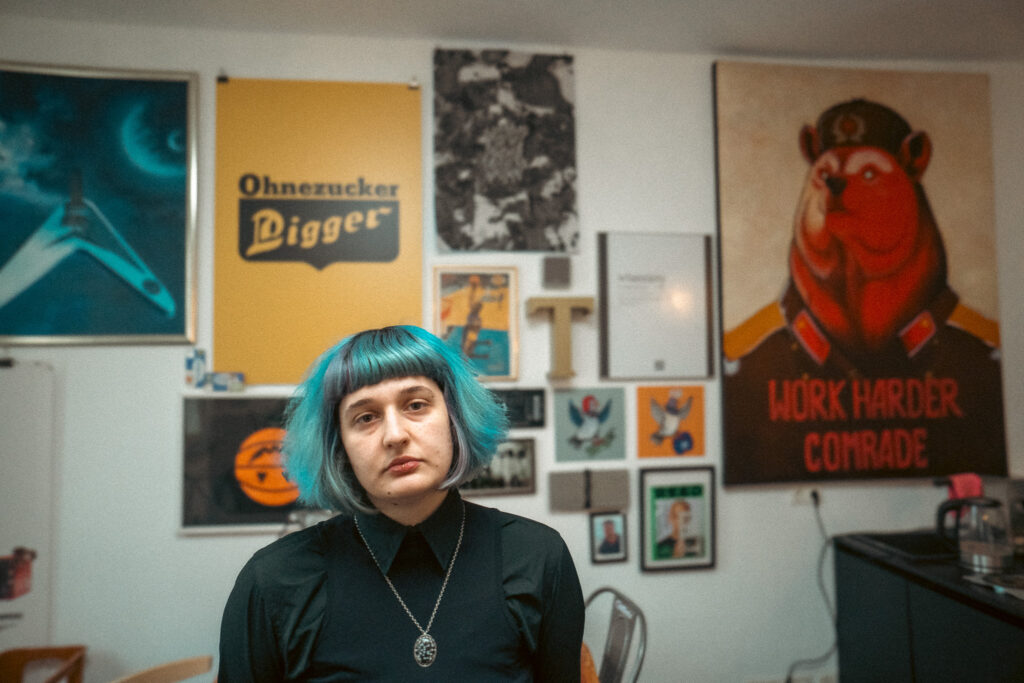
Please introduce yourself.
I’m Maggie, 23, and I’m a promoter, booker and DJ from Hannover, working in the Initiative Hüttenstraße e.V., a non-profit cultural centre with an own techno club in the making.
How did you get in contact with club culture, and why do you want to pursue a career in the industry?
Growing up on the outskirts of Hannover, I first encountered raves at autonomous centres. This inspired me to get involved and start hosting my own events, as I noticed a lack of programming in available spaces.
What sparked your interest in the Tresor Academy? Why did you apply?
When I couldn’t find a suitable apprenticeship, I met Diana [Alagić, Managing Director of Tresor], Raffel [Leonard Raffel, participant of the first round of the Academy], and Alexis [Waltz, editor-in-chief of GROOVE] at the Stadt nach Acht conference, where they presented the first Tresor Academy. After talking with Diana, who became my mentor, I felt encouraged and applied.
How did you experience travelling to Berlin, entering the Kraftwerk and meeting Martin Fuller and the whole class?
The brutalist environment really resonated with me, since it also reminded me of the Hüttenstraße. Every single person out of the class is very inspiring and fun to work with and talk to.
Please describe the highlights and low points, which are also part of it for obvious reasons.
My personal highlights must have been getting to listen to Alan Oldham talk about his origins, meeting like-minded people through the Clubcommission and Martin Fuller’s talk on the sociology behind club culture. My low point was trying to come up with a business plan while already working with one, but that’s also due to our project running for almost two years already.
What is your takeaway? How did being part of Tresor Academy change your perspective on nightlife, on yourself and your skills?
Being part of Tresor Academy made me realise—yet again—that there is always room to improve, to organize, to think around the corner, and to never stop connecting. But it’s also very important to step back and reflect on what has been accomplished so far.
