
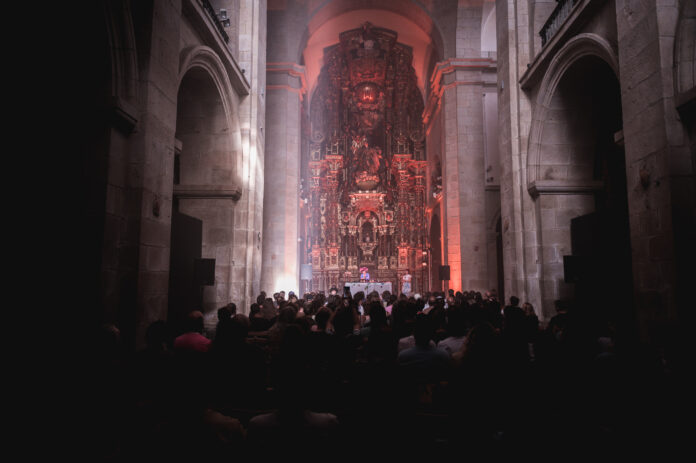
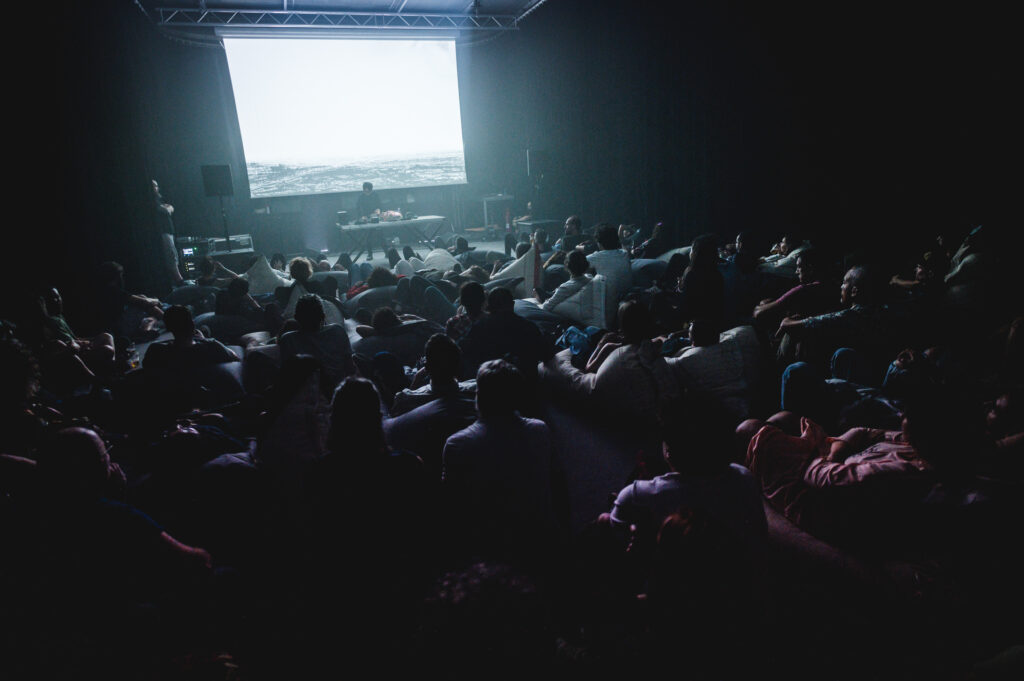
WOS Festival (Foto: Leo Lopez)
The WOS Festival x SON Estrella Galicia took place in Santiago de Compostela in Northern Spain for the first time since the start of the pandemic. From September 8 to 11, a number of inspiring acts came together to play the most important Christian pilgrimage site in Europe. We asked Iván Arias, founder and director of WOS, five questions about the festival’s characteristics.
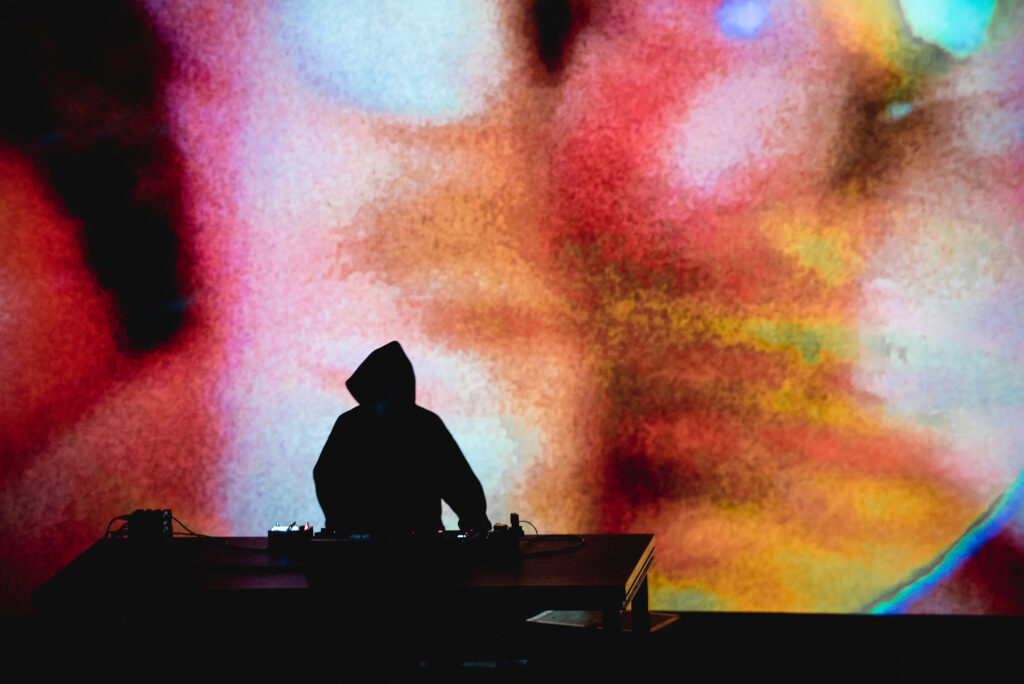
| What makes WOS special? How is it different from other festivals? I believe the unique area in which the festival took place makes it the special event it is. Galicia is a peripheral region of the western Atlantic coast and Santiago de Compostela is a city with a high heritage value which has always stood out for its cultural offer. The center of the old town is where most programming happens, immersed in the city’s ancient spirituality. Some of the festival’s concerts took place in sacred spaces and churches. Why? We are very lucky to have the opportunity to include churches into our program. Every church carries a profound individual history that also today still has an impact on its visitors. Programming contemporary music and art in places with so much history will help to reformulate our views of the present and create new visions for the future use of these spaces. With churches being an integral part of Santiago De Compostela’s cultural offer and history, WOS envisions a new positioning for these sacred spaces, as you call them. One major aspect of every church is the very special acoustics and ambience. Churches allow us to program acoustic ensembles and artists playing instruments like cello, harps and simply have the room architecture to amplify the sound. |
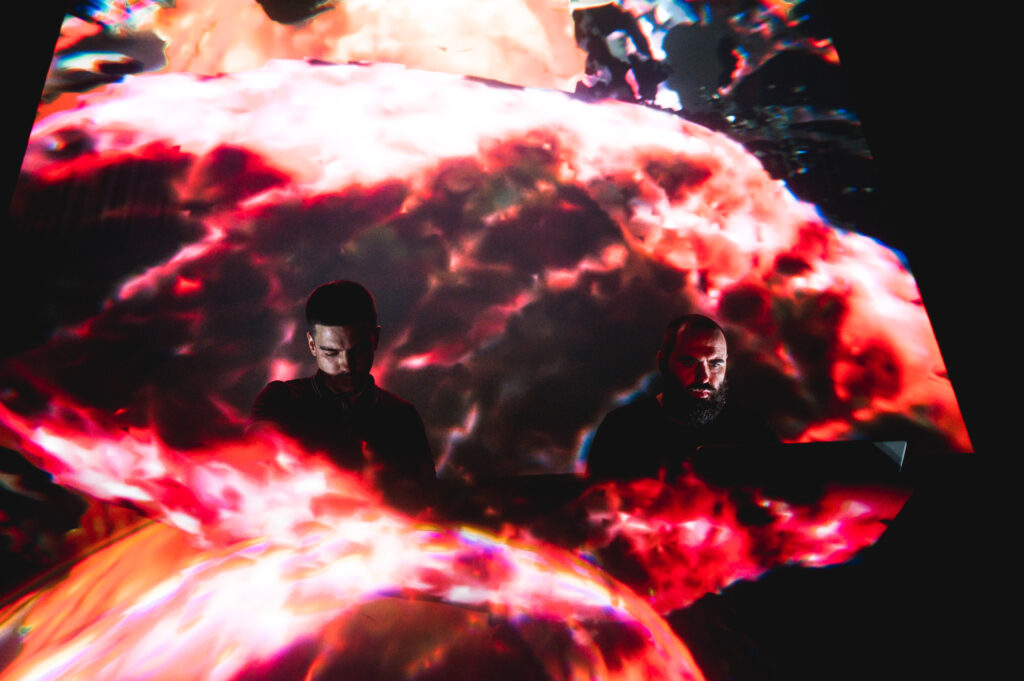
How does electronic music relate to (Christian) faith?
I believe this question has no general answer, surely there are many personal and individual takes on if and why electronic might relate to faith. Personally I can see connections on a spiritual level rather than on a Christian religious level. Like the strength of building communities, celebrating life with fellow minded folks and finding meditation and calm in music.
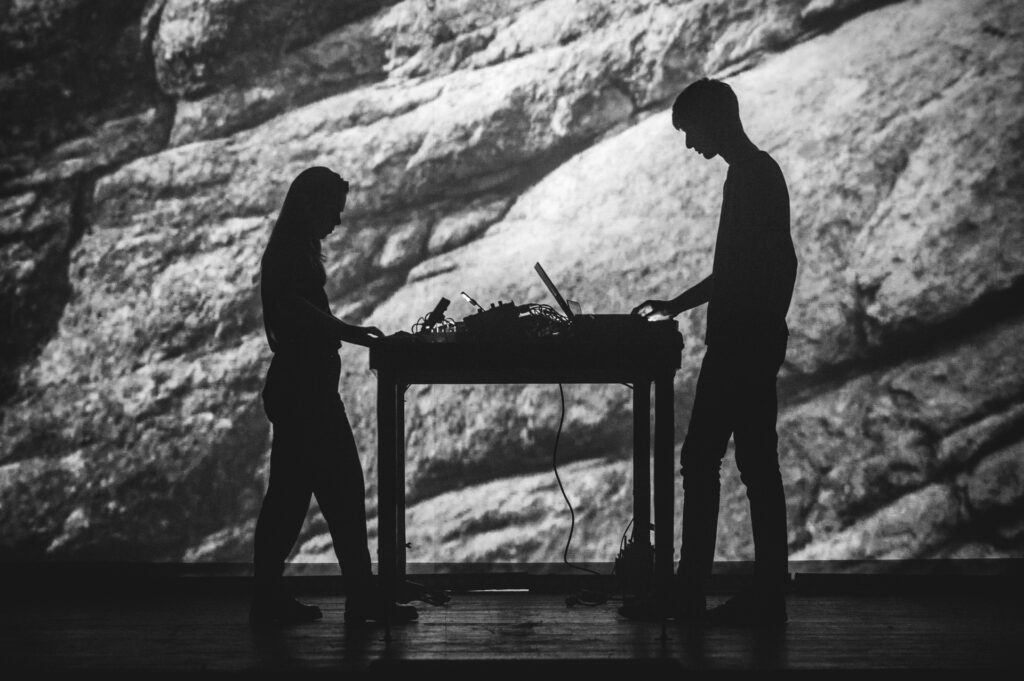
Please comment on the line-up. Why did you book this very particular roster of leftfield artists?
That is a good question. We have a limited capacity of 1000 people per day and we program around 50 slots. This allows us to think carefully about the programming without the pressure of having to book artists that guarantee us to sell a high number of tickets. Our main intention is to be able to bring artist performances to our region that in some way enrich and help culturally to develop where we belong as well as contribute to a social and cultural transformation.
For all the time I’ve been involved in this project there’s been a clear intention of bringing a good balance between upcoming talent as well as important and established acts. The rule is that I have to like the artists and there’s a connection between them and the festival. I have a clear intention of introducing the WOS audience to interesting cultural acts and keep on working to find what best suits some spaces. The goal is to give the audience the opportunity to get to know, to discover.
Find out more about the WOS Festival on their homepage.
